In the current landscape of modern physical preparation for team or individual sports, unilateral training has gained increasing attention from S&C coaches, athletic trainers, coaches and sports nutritionists. This approach, which focuses on performing exercises with a single limb at a time, contrasts with traditional bilateral training.
Here, we analyse unilateral training in detail, exploring its definition, applications, potential benefits and key considerations for integration into training programmes for both team-sport and individual-sport athletes.
Unilateral training is characterised by exercises in which the load or resistance is applied to a single limb through its range of motion. This methodology aims to simulate specific motor actions that occur frequently in team sports, such as running, jumping, landing on one leg, changing direction, kicking and more.
Examples of unilateral exercises for the lower limbs include the Bulgarian squat or Rear Foot Elevated Split Squat (RFESS), Single-Leg Deadlift (SLDL), Single-Leg Countermovement Jump (SLCMJ), Single-Leg Drop Jump (SLDJ) and Single-Leg Broad Jump (SLBJ). In contrast, bilateral exercises involve both limbs simultaneously, such as the back squat, Countermovement Jump (CMJ), Drop Jump (DJ) and Standing Broad Jump (SBJ).
The distinction between these two approaches is not merely fashionable or a recent trend; it entails different neuromuscular challenges and potential physiological adaptations. By its very nature, unilateral training introduces greater variability, requiring increased activation of the stabilising muscles of the core and limbs. This facilitates the right movement execution while contributing to proprioception and motor control.
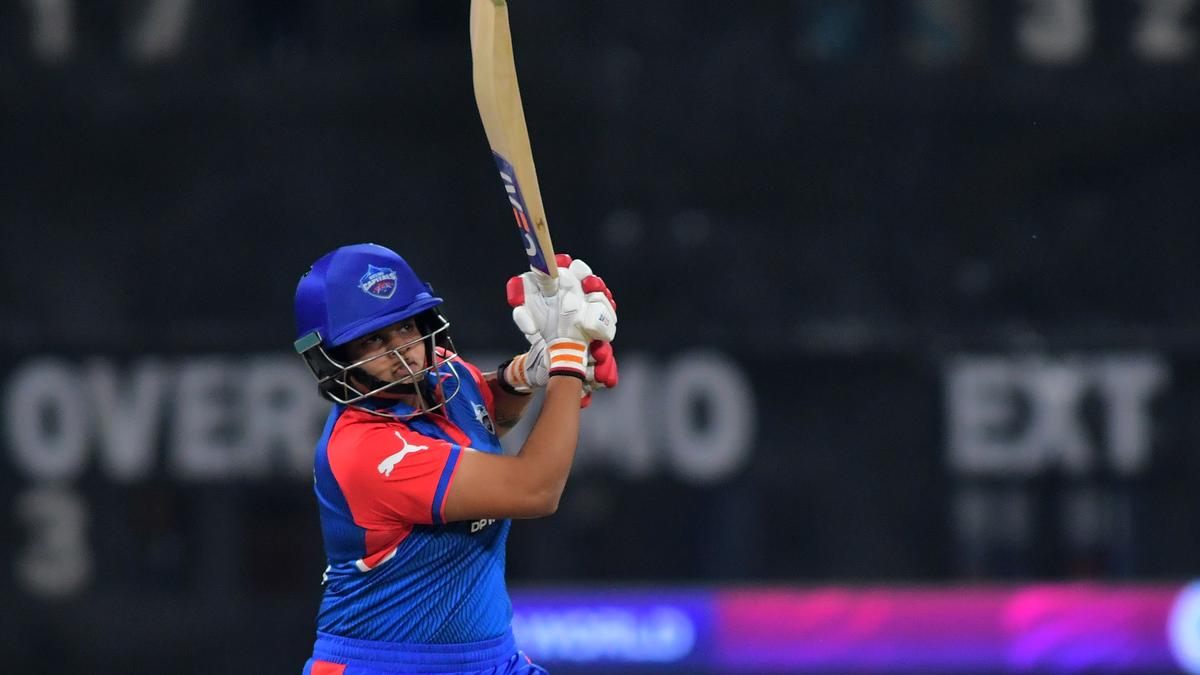
In many sports, unilateral actions are predominant. Running, for example, is a continuous sequence of single-leg supports, as well as many jumps and landings. Changes in direction — crucial in disciplines such as pace bowling in cricket, football, basketball, hockey and handball — require the ability to generate and absorb force effectively on a single leg. In this context, a physical preparation programme that integrates unilateral training can provide a more direct transfer to sport-specific motions, enhancing the skills required on the field.
Several studies have compared the effects of training interventions based mainly on unilateral or bilateral exercises. Unilateral training showed greater improvements in unilateral tests. For example, groups that trained with unilateral exercises recorded significant gains in strength and performance in the SLDL, SLCMJ and related tests.
Potential benefits of integrating unilateral training
Unilateral performance improvement: Evidence from Stern et al. and Bogdanis et al. indicates that monopodal training produces more significant improvements in performance evaluated through specific unilateral tests. This supports the principle of training specificity, whereby the type of training stimulus has the greatest impact on motor skills most similar to it.
Reduction of Bilateral Deficit (BLD): BLD occurs when the maximum force produced by both limbs simultaneously is less than the sum of the maximum force produced by each limb individually. Research suggests that unilateral training can help reduce this deficit, improving recruitment capacity and intermuscular coordination during bilateral actions. Gonzalo-Skok et al. reported greater improvements in BLD among young basketball players who trained unilaterally compared with those who trained bilaterally.
Enhancement of Change Of Direction (COD) competence: Changes of direction are fundamental in many team sports. Studies have shown a strong correlation between unilateral strength/power (e.g. one-leg hop, CMJ) and speed and effectiveness in COD tests. Training that emphasises unilateral strength and power can therefore improve agility and evasive ability. Gonzalo-Skok et al. found that an Eccentric Overload Training (EOT) programme with unilateral and multidirectional movements led to more robust COD improvements than Bilateral-Vertical training.
Reduction of inter-limb asymmetries: Differences in strength and power between dominant and non-dominant limbs are common among athletes. Excessive imbalance can increase risk of injury. Unilateral training allows each limb to be targeted specifically, helping reduce asymmetries. Cao et al. showed that Unilateral Plyometric Training (UPT) reduced strength and power asymmetries in basketball players, whereas Bilateral Training (BT) increased them.
Improvement of postural and core stability: Single-limb exercises require greater engagement of the core stabiliser muscles to maintain balance and control movement. This can lead to improvements in postural stability, which are essential for the effective execution of specific skills and for injury prevention. Dafkou et al. demonstrated that integrating eccentric, balance and core exercises into football programmes improved postural strength and stability, particularly in the non-dominant leg.
Injury prevention and rehabilitation: Unilateral training can be particularly valuable in injury prevention and rehabilitation, allowing selective strengthening of one limb or muscle group without overloading the other. Macdonald et al. found that the single-leg Roman chair hold was more effective than the Nordic hamstring curl in improving the strength-resistance of hamstrings in Gaelic footballers with previous injuries.
Considerations and potential limitations
Despite the numerous advantages of unilateral training, some considerations must be kept in mind:
Reduced absolute loads: Absolute loads in unilateral exercises are generally lower than in bilateral ones, potentially limiting the development of maximum force in global muscle groups.
Higher stability and coordination demands: Proper execution requires good stability and coordination. An adaptation period thus becomes necessary for less experienced athletes.
Probable increase in training duration: Although the total volume may be matched, performing exercises separately on each limb can lengthen the overall duration of a training session.
Transfer to bilateral performance: While unilateral training is effective for improving unilateral performance, the transfer to bilateral actions (such as jumping or sprinting) can be less direct. Some studies (Bogdanis et al., Drouzas et al.) show bilateral gains from unilateral training, while Stern et al. observed greater improvements in the back squat following bilateral training.
Practical applications and programming
Effective integration of unilateral training into physical preparation programmes requires careful planning. Key guidelines include:
Exercise selection: Exercises should reflect the sport-specific demands and the individual needs of the athlete. It is important to include movements across different planes (sagittal, frontal, transverse) to prepare the athlete for varied stresses encountered on the field.
Volume and intensity: The volume and intensity of unilateral training should be adjusted according to objectives such as strength, power, endurance or balance. Initially, it may be useful to focus on mastering technique with moderate loads and adequate volumes.
Progression: Progression in unilateral exercises can be achieved by increasing load, reducing the support base, using unstable surfaces, or raising execution speed in plyometric drills. Progression should always be tailored to the sport, skill level and specific needs of the athlete.
Integration with bilateral training is key
Unilateral training should not necessarily replace bilateral training. Instead, it can be integrated strategically within preparation programmes. Bilateral exercises remain essential for developing maximum strength and overall power.
Unilateral training is a valuable tool for preparing both team and individual athletes. It enhances monopodal performance, reduces inter-limb asymmetries, improves stability and motor control, and contributes to injury prevention.
However, understanding its limitations and integrating it judiciously with bilateral training is crucial. In this way, benefits can be maximised and athletic development made more complete and balanced. Exercise selection, volume, intensity and progression should always be individualised according to the athlete’s needs, the characteristics of the sport and the performance domain.
Published on Sep 17, 2025