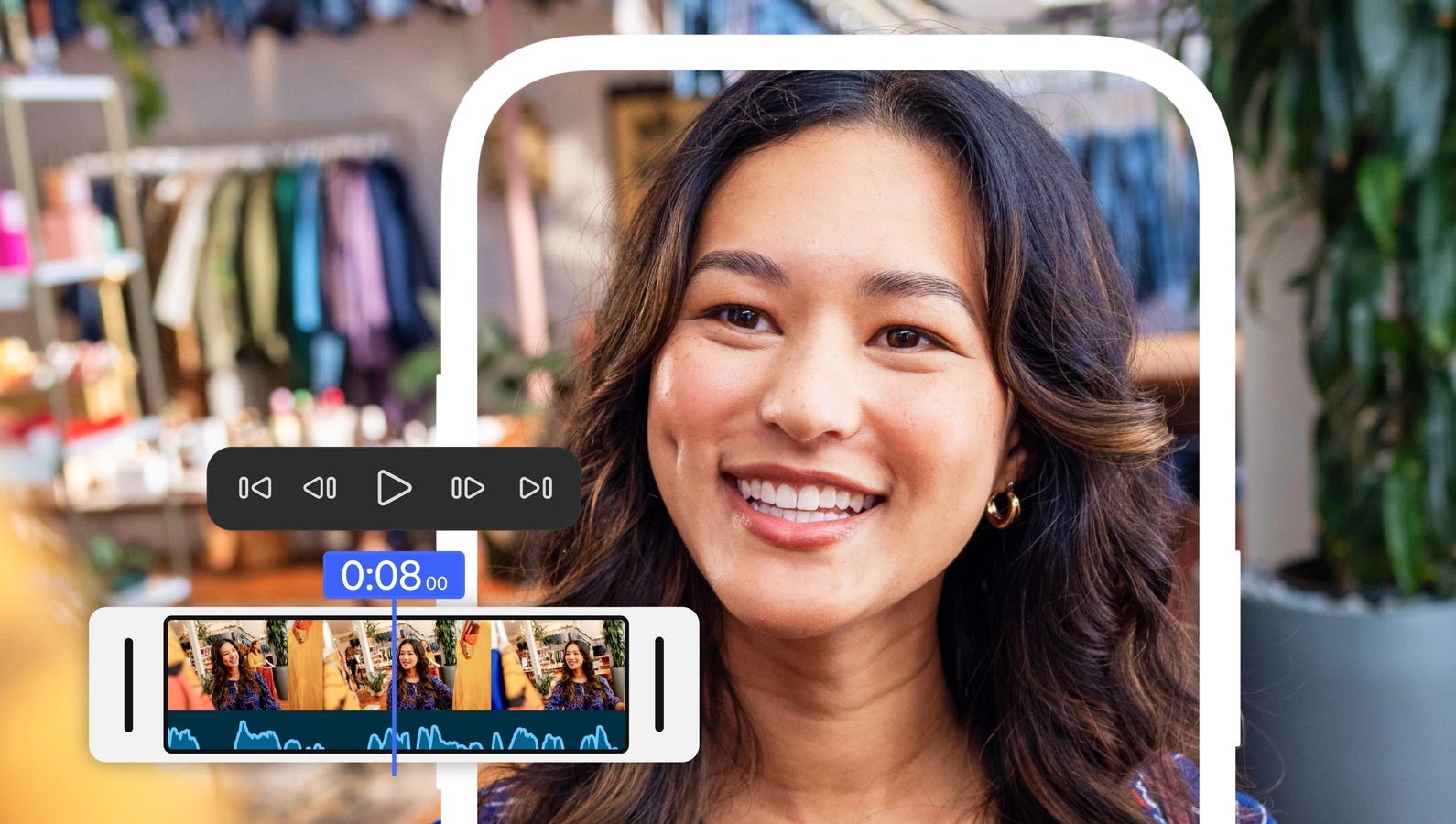
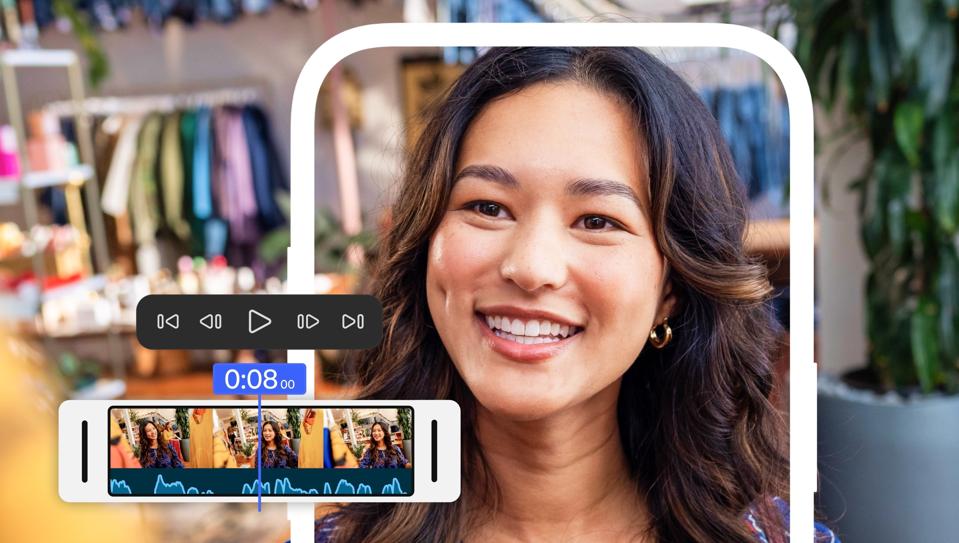
Adobe today launched Adobe Premiere on iPhone, a free video-editing app targeting the vast market of run-and-gun mobile creators posting on services such as YouTube, TikTok and beyond.
It marks the software giant’s latest effort to capture a huge generation of video creators with very different needs than the indie editors, music-video creators, and pro commercial makers who typically use its long-established desktop non-linear editing package Premiere Pro and related applications for audio, motion graphics, and more.
With Premiere on iPhone’s debut, the company will discontinue Premiere Rush and take it off the iPhone App Store beginning today, though customers can keep using the older app for another year, an Adobe spokesperson said.
The company emphasized the new app’s editing precision optimized for iPhones, AI tools to clean up audio and create sound effects, and directly export to outlets such as TikTok, YouTube, Instagram and others. The app also provides access to Adobe’s stock library of millions of images, video, music, and fonts, and integrates with Premiere’s desktop app.
The app itself is free to download, though users will pay for additional project storage or credits for AI usage, a model that’s becoming common with AI software from many companies.
Apple has long advertised the cinematographic capabilities of its best-selling iPhones. Indeed, Oscar-winning directors Sean Baker (Tangerine) and Steven Soderbergh (High Flying Bird) are among those who’ve created feature-length films with iPhones.
Adobe was an early AI popularizer, debuting its Firefly large language model at its Las Vegas marketing conference 2.5 years ago. Since then, Firefly has been built into many of the company’s large family of professional apps.
But the company’s share prices have been battered on Wall Street because of concerns about competition from online content-creation services such as Canva and Figma with free offerings. Adobe shares were well north of $630 apiece in late 2021 and again in early 2024, but have been below $360 in recent weeks, a decline of nearly half.
Privately held Avid has had its own challenges in video editing, as its traditional high-end user base has been battered in recent years with Hollywood’s collapse. At the IBC conference on TV technology earlier this month, CEO Wellford Dillard emphasized the company’s focus on its Content Core SAAS platform, integration with AWS, and pursuit of partnerships with various third-party LLM providers.
It’s all designed to modernize Avid’s services for its core markets as cloud and AI become dominant infrastructural tools, Dillard said, before the company attempts to expand into lower-end market segments. Dillard suggested more specifics will be coming at the National Association of Broadcasters convention in New York in October.
Australia-based Blackmagic Design, the other long-time video toolmaker, offers a largely free but sophisticated mobile filmmaking app, Blackmagic Camera, charging for storage needed for individual shared projects.
Founder/CEO Grant Petty has been less focused on major generative AI initiatives, befitting Blackmagic’s broader business model. The company offers DaVinci Resolve, a do-everything video creation app that is free at the entry level and feeds into a vast panoply of video-production hardware for pro, prosumer and aspirational creators.