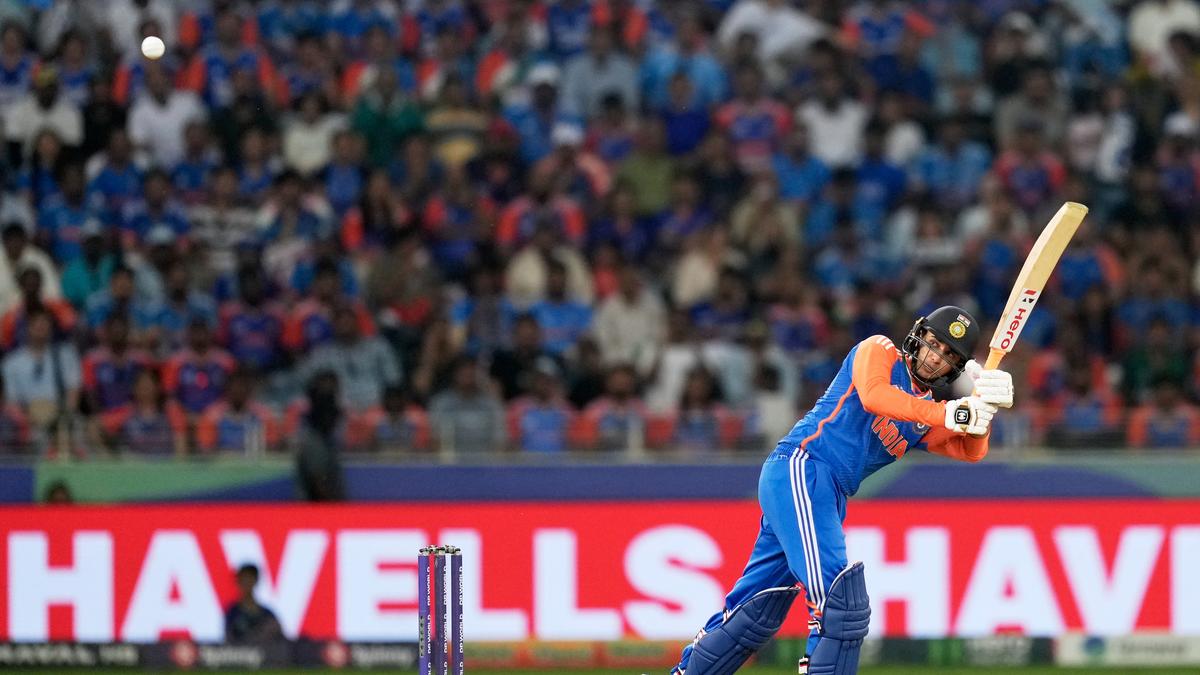
The Asia Cup is not an end in itself. With the biennial continental event alternating between formats since 2016, it now serves as a dress rehearsal for teams to fine-tune their combinations ahead of a major International Cricket Council (ICC) event. For Suryakumar Yadav and Co., it was an opportunity to test a young side and its high-intent approach in the cauldron of a multi-team tournament ahead of India’s T20 World Cup defence at home early next year.
A dry run is most effective when it closely mirrors the conditions of the event one is preparing for, and the Asia Cup in the United Arab Emirates (UAE) was a far cry in that regard. The sluggish pitches and subcontinental teams that are struggling to adapt to an aggressive brand of batting didn’t reflect the flat decks and sterner opposition the Men in Blue are likely to be confronted with at next year’s showpiece.
India clinched a record-extending ninth Asia Cup title, edging Pakistan in a tense final in Dubai, and had to dig deep in its last three matches in the tournament. However, it was a test of character and temperament rather than of skill and strategy.
That it remained unbeaten through seven matches in the tournament despite being far from perfect in five of those reflected the gulf between India and the other teams, and the sub-standard quality of cricket overall.
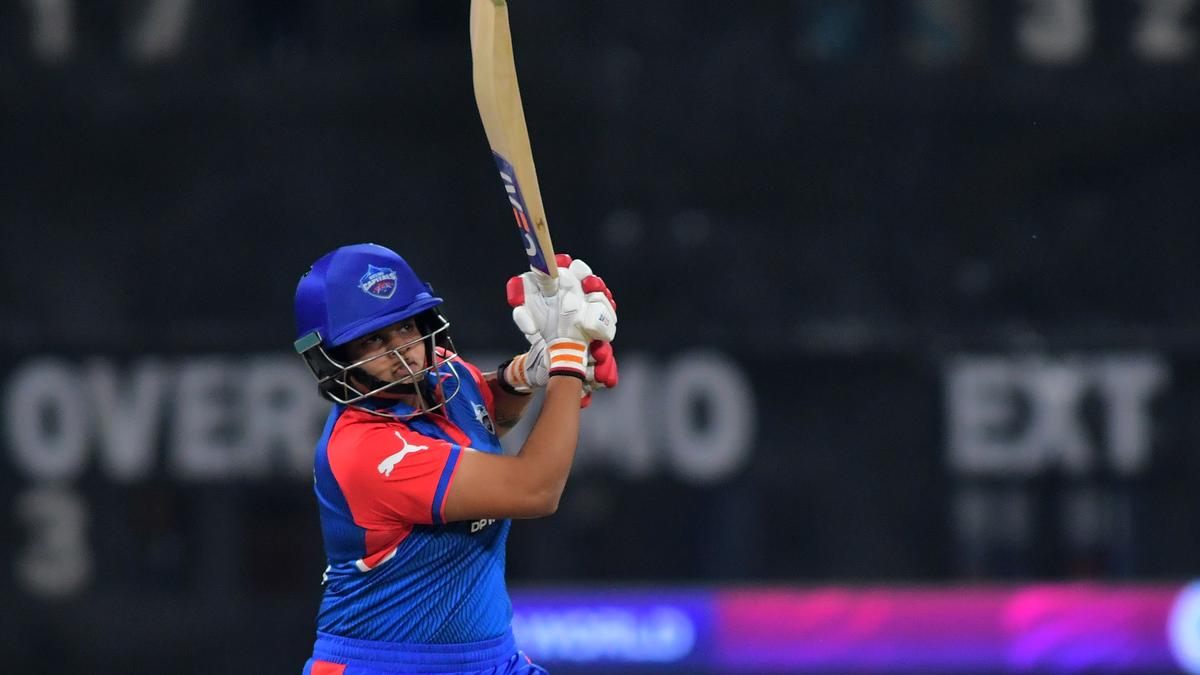
Abhishek Sharma, the tournament’s top scorer, with 314 runs at a strike rate of 200, transcended the bowling-friendly conditions to emerge as a cut above the rest. But the swashbuckling left-hander’s brilliance was a double-edged sword in some ways, as it glossed over India’s middle-order muddle.
In a batting lineup already disrupted after Shubman Gill’s return to the format, which resulted in Sanju Samson’s demotion, the team management’s emphasis on flexibility added to the confusion.
Flexibility or confusion?
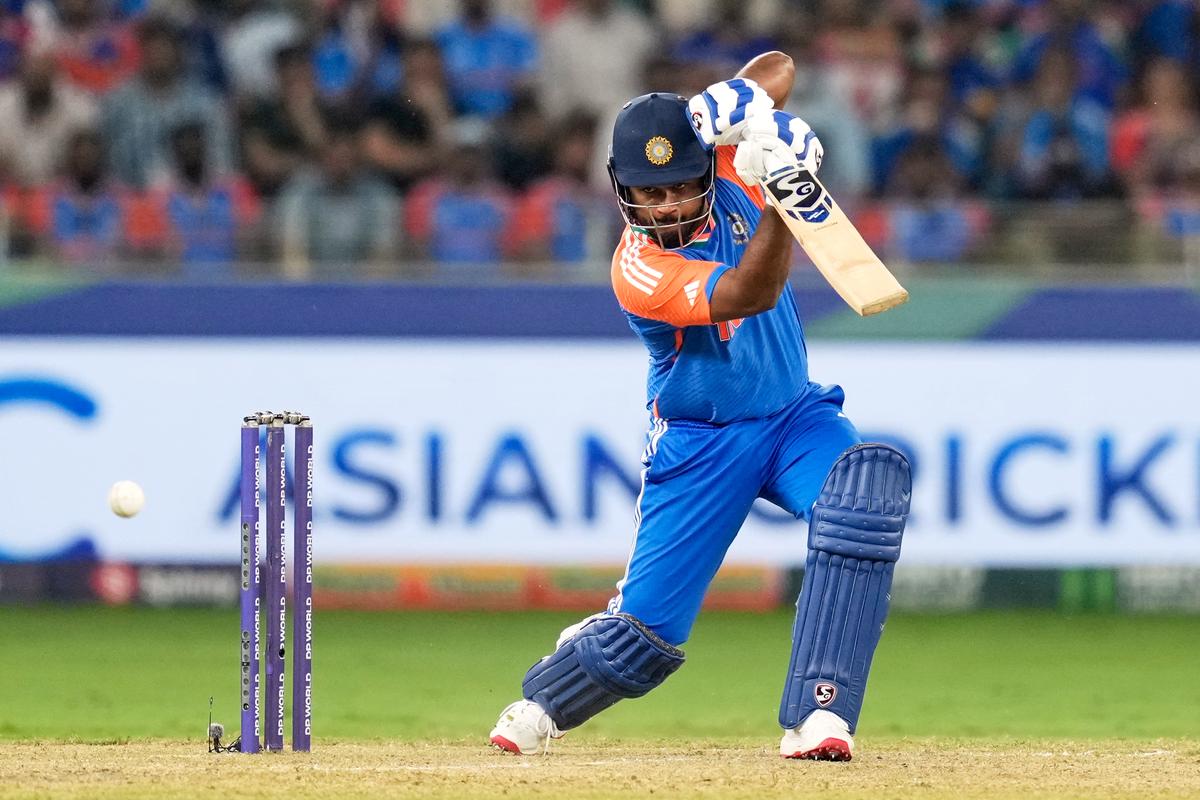
Middle-muddle: From No. 3 to No. 8, Samson’s unsettled slots mirrored the confusion in India’s batting order.
| Photo Credit:
AP

Middle-muddle: From No. 3 to No. 8, Samson’s unsettled slots mirrored the confusion in India’s batting order.
| Photo Credit:
AP
Samson was promoted to No. 3 against Oman due to a lack of crease time, batted at No. 5 three times in the tournament, but was inexplicably pushed down to No. 8, below Axar Patel, against Bangladesh. Suryakumar, who dropped himself to No. 11 against Oman to give his teammates batting practice, in hindsight needed time in the middle more than anyone after a woeful run of form, which saw the skipper eke out 72 runs in six innings at an average of 18.
The move to bump up Shivam Dube at No. 3 to counter Bangladesh’s spinners didn’t reap rewards, and Abhishek’s departure in the 12th over in that game resulted in a spectacular slowdown, with only 56 runs coming in the remaining 53 balls.
Abhishek almost single-handedly carried India’s batting on his young shoulders, until Tilak Varma and Dube stepped up in the final. Tilak, though, didn’t bat at his preferred No. 3 spot even once, although he has two T20I hundreds in the past year in that position.
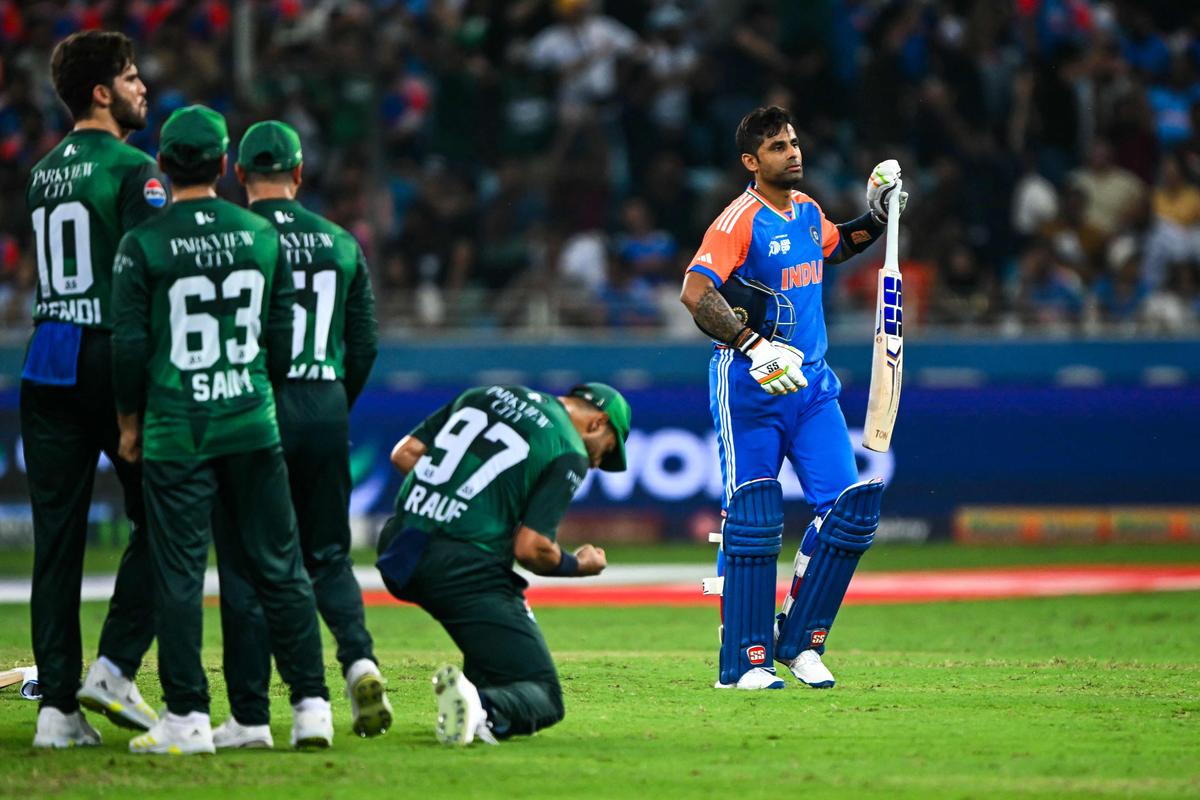
Out of runs: Suryakumar Yadav endured a lean Asia Cup with the bat, managing only 72 runs in seven innings despite an unbeaten 47 against Pakistan earlier in the competition.
| Photo Credit:
AFP
Out of runs: Suryakumar Yadav endured a lean Asia Cup with the bat, managing only 72 runs in seven innings despite an unbeaten 47 against Pakistan earlier in the competition.
| Photo Credit:
AFP
Depth vs specialists
Despite the musical chairs with the middle order, India was unscathed in the Asia Cup. However, the likes of England, Australia and South Africa may not offer room for similar experimentation at the T20 World Cup. While flexibility is a fail-safe in times of crisis, it has its pitfalls when it becomes the norm.
There are still some openings in this T20I team. Gill had an underwhelming tournament with the bat, and Yashasvi Jaiswal will be breathing down his Test skipper’s neck soon. Samson has appeared scratchy in the middle overs, and if his power-hitting ability is not optimally used in the PowerPlay, Jitesh Sharma, who warmed the bench throughout the competition, is a promising prospect as a lower-order finisher.
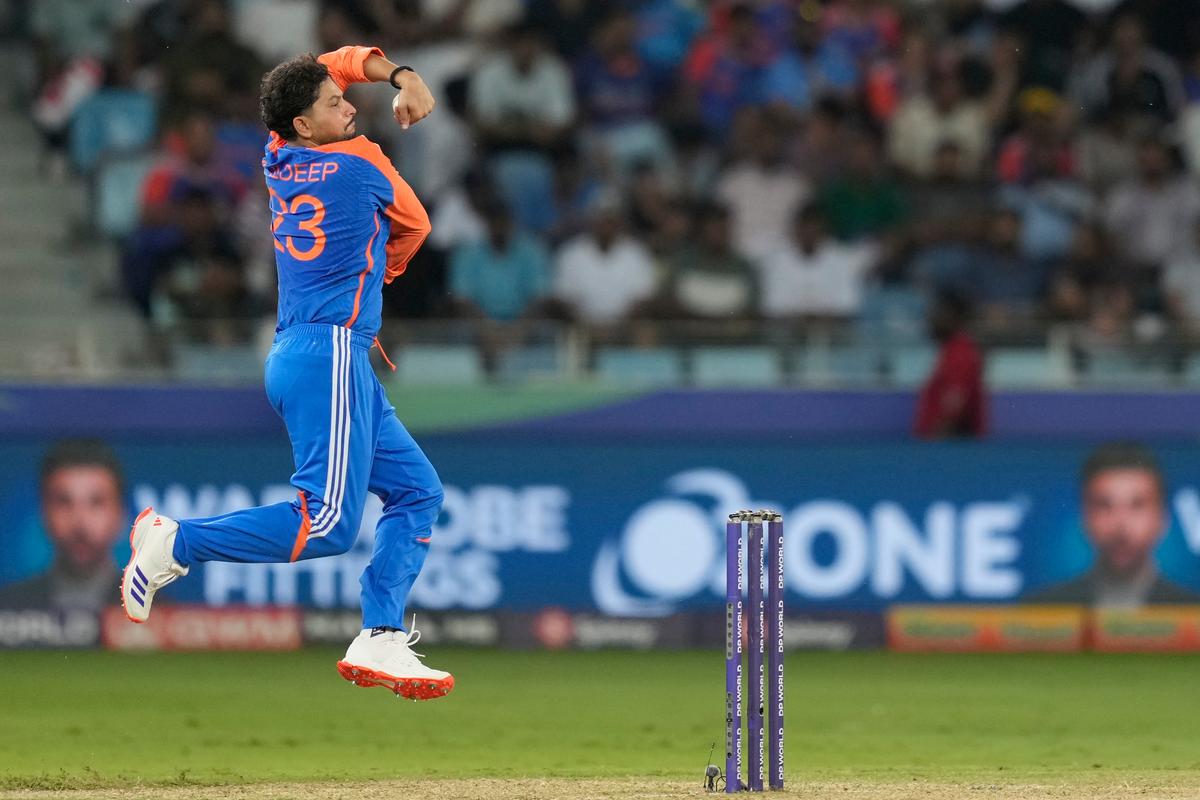
Spinning a web: Kuldeep Yadav has now claimed 36 wickets across ODI and T20 Asia Cups — the most by any bowler, surpassing Lasith Malinga’s 33. Seventeen came in this edition’s T20s, the joint-most in the tournament’s history.
| Photo Credit:
AP
Spinning a web: Kuldeep Yadav has now claimed 36 wickets across ODI and T20 Asia Cups — the most by any bowler, surpassing Lasith Malinga’s 33. Seventeen came in this edition’s T20s, the joint-most in the tournament’s history.
| Photo Credit:
AP
India’s predilection for batting depth in recent years across formats has come at the cost of a specialist bowler. An all-rounder has been slotted in at No. 8 in 13 out of the 17 games where India’s batting has been stretched that far since the start of 2024.
With the unimpeachable Jasprit Bumrah and the menacing spin duo of Kuldeep Yadav and Varun Chakaravarthy being automatic picks, India’s highest wicket-taker in T20Is, Arshdeep Singh, had to sit out for five matches at the Asia Cup. The inclusion of Hardik Pandya, Dube and Axar in the top eight meant that India still had at least six viable bowling options, but that strategy is fraught with risk, particularly on flatter surfaces.
Hardik took on the mantle of the second seamer, while Dube stepped into his breach in the all-important final and even took the new ball. Dube, admittedly, has come a long way from just being a dibbly-dobbly slow-medium seam option. He bent his back more during the Asia Cup, consistently clocked in the mid-130s [kmph], and delivered two crucial performances with the ball against Pakistan, including in the summit clash.
Bumrah’s burden
However, the punt on Dube’s bowling could be hazardous against more attacking batting. Moreover, if India employs three of Bumrah’s overs in the PowerPlay, like it did in four of the five matches he played in the Asia Cup, the absence of a second specialist seamer could hurt the team at the death. Hardik and Dube were India’s most profligate bowlers in the last five overs during the Asia Cup, conceding 12 and 13.50 runs an over, respectively. In dewy conditions, the spinners are also risky options in the late overs. The team needs more flexibility and depth on the bowling front.
As the margin of error reduces on batting-friendly pitches back home, certain conditions and oppositions may warrant the inclusion of a second full-time seamer to accompany Bumrah. The team management shouldn’t be averse to sacrificing batting depth in exchange for a more well-rounded and attacking bowling attack. For this team, a batter or an all-rounder at No. 8 has been more about mental assurance than substantive impact. Given India’s strong batting, the No. 8 batter has faced fewer than three balls per innings on average since 2024.
An imperfect Indian team was still too good, and the mood music surrounding the tournament almost fatalistically veered towards determining ‘Asia’s second-best team’. It was a tag that was passed around over the course of three weeks, from Afghanistan to Sri Lanka and Bangladesh, before a mercurial Pakistan reached the final.
They all attempted to shape themselves in the image of India’s belligerence, with varying degrees of success. Pakistan often failed to maintain a bright start after 10 overs, and Bangladesh’s batters took aggressive batting to an illogical extreme when they bungled a 136-run chase against Salman Agha’s men. Sri Lanka’s tryst with collapses continued, and Afghanistan lacked the resources to pursue high-risk cricket. For India, it was a stepping stone towards bigger honours.
Published on Oct 04, 2025