A sprinter doesn’t eat like a marathon runner. A cricketer’s diet won’t suit a wrestler. And a swimmer’s pre-race meal is vastly different from that of a gymnast. Why? Because sports nutrition is never one-size-fits-all. It’s a detailed science that adapts to the unique demands of each sport.
Over the years, working with athletes from different disciplines—from Olympic wrestlers to international cricketers, swimmers to badminton champs—one thing has become crystal clear to me. Eating ‘healthy’ is not the same as eating ‘right’. For elite performers, nutrition is not just about wellness. It’s about fuelling, recovering, and repeating. Sometimes all in one day.
The power of specificity
Every sport places a different kind of stress on the body. Some demand explosive power. Others require long-lasting endurance. Some need agility and precision. Each of these needs calls for a tailored approach to food.
Let’s explore how nutrition varies based on the sport.
Swimmers: Carbohydrate-Driven Engines
Swimmers often train twice a day, starting as early as 5 am. Their energy output is massive, and their recovery windows are short. For them, carbohydrates aren’t optional—they’re essential.
A swimmer’s diet includes 50–60 per cent carbs, moderate protein for recovery, and good fats for hormonal health. A pre-swim meal could be oats with fruit or a banana smoothie; post-session recovery might be chocolate milk or peanut butter toast with a protein shake.
Tip: I won’t give a swimmer a keto-style diet—it would tank their energy. Instead, I load them with smart carbs to keep them fuelled lap after lap.
Badminton Players: Light, Lean, and Fast
Agility, speed, and razor-sharp reflexes define badminton. Players need to stay quick on their feet and alert in the mind—without being bogged down by heavy meals.
Their diets feature high-quality proteins, moderate carbs, and hydration. Meals might include egg-white omelettes, chicken with quinoa, or yoghurt with berries. Small, frequent meals keep energy levels up without excess bulk.
Tip: I won’t give a badminton player a pasta-heavy lunch before a match. Instead, I opt for a protein-rich salad or smoothie to keep them light and fast.
Combat Athletes: Power Within Limit
Wrestlers, boxers, and MMA fighters need explosive strength—but also have to make weight. Their diets must carefully walk the line between power and precision.
We manage sodium, carbs, and hydration in the days before weigh-ins. Protein maintains muscle mass, while healthy fats add satiety during calorie cuts. After weigh-in, they follow a well-rehearsed rehydration and fuelling protocol.
Tip: I won’t hand a fighter a giant burger post-weigh-in. Instead, it’s a calculated mix—rice, eggs, electrolytes—tested and timed to perfection.
Cricketers: Endurance Meets Focus — and Format
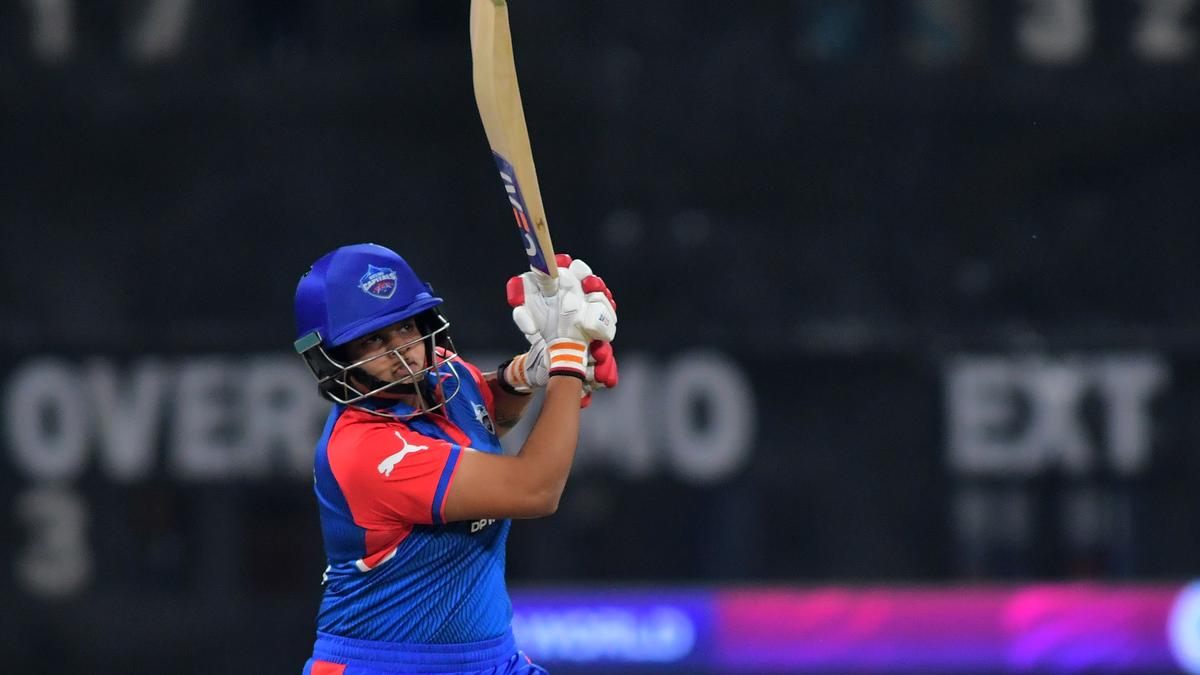
Cricket is unique because its demands change dramatically by format.
Test players need sustained energy and mental focus over long sessions. Their diets centre on complex carbs like sweet potato and brown rice, omega-3-rich fats for recovery, and strategic snacking—almonds, bananas, or energy bars between overs.
T20 players, on the other hand, need explosive bursts of power and razor-sharp reflexes. Their meals lean lighter: quick-digesting carbs, lean proteins, and fluids to prevent cramping or sluggishness.
Tip: I won’t feed a T20 player a heavy dal-chawal an hour before the game. But for a Test player? That same meal might be perfect for lunch between sessions.
Endurance Athletes: Long-Distance Fuelling
Marathon runners, cyclists, and triathletes operate on prolonged exertion. Their bodies burn through glycogen stores, so carb-loading before events is essential.
In-race fuelling includes gels, salt tablets, and electrolyte drinks. Recovery is all about restoring carb-protein balance, ideally within 30 minutes post-race. On low-intensity training days, fats help train the body to burn more efficiently.
Tip: I won’t give a marathon runner a high-fat breakfast on race day. Instead, it’s toast, bananas, and honey for fast energy, no gastric surprises.
Gymnasts and Aesthetic Sports: Strength in Grace
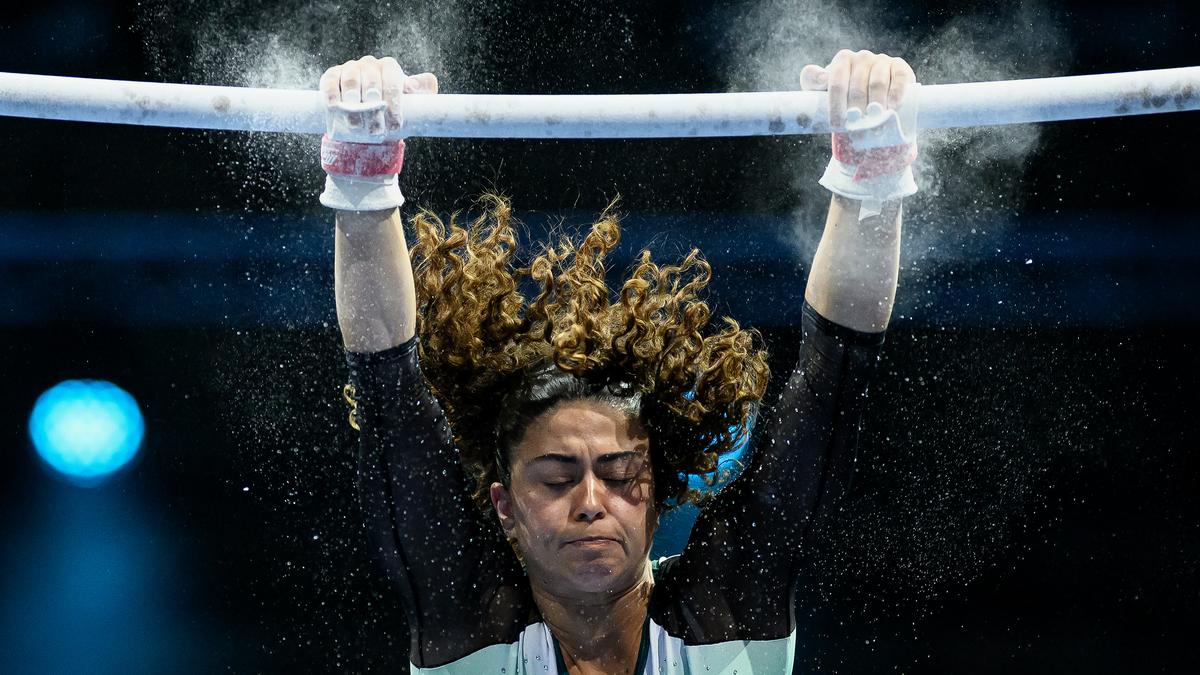
Sports like gymnastics, figure skating, and dance demand strength, control, and aesthetic appearance. Athletes often maintain low body fat and high flexibility, making nutrient density critical.
Meals are small but frequent—lean proteins, colourful vegetables, fruits, nuts, and omega-3s. Bone health is a priority, with calcium and vitamin D supplementation common.
Tip: I won’t suggest intermittent fasting to a gymnast—it risks under-fuelling. Instead, I plan precise, portioned meals that support strength without adding bulk.
Drivers and Motorsport Athletes: The Mental Game
Formula 1 drivers, rally racers, and karting athletes face extreme physical and mental demands. They can lose kilos in a race due to heat and stress.
Nutrition focuses on hydration, core stability, and sustained focus. Anti-inflammatory foods, moderate caffeine, and electrolyte-rich meals help maintain sharpness.
Tip: I won’t give a racer a heavy curry-rice meal before a race. A light chicken wrap or protein smoothie keeps their gut calm and their brain sharp.
Beyond the Plate: Long-Term Wellness
Even within the same sport, nutrition needs can vary dramatically.
A volleyball attacker needs more explosive fuel than a setter. A goalkeeper’s needs differ from a striker’s. Personalisation matters.
Nutrition also shifts by season: bulking in off-season, refining in pre-season, maintaining during competition. Recovery diets focus on protein, collagen, and anti-inflammatory foods.
But performance nutrition doesn’t stop at the plate anymore.
Today’s athletes think beyond the medal. Gut health, sleep, mental wellness, and hormonal balance are now part of the nutrition strategy.
We are also entering the era of precision nutrition, where genetic reports, microbiome tests, and blood biomarkers guide personalised plans that evolve with the athlete.
Among all the emerging tools and trends, one area consistently proves foundational: gut health. It influences everything from immunity to recovery, energy levels to mental clarity.
And one tip I give all athletes, regardless of sport, is this: start personalising your gut training. A well-trained gut doesn’t just digest better—it lets your muscles shine.