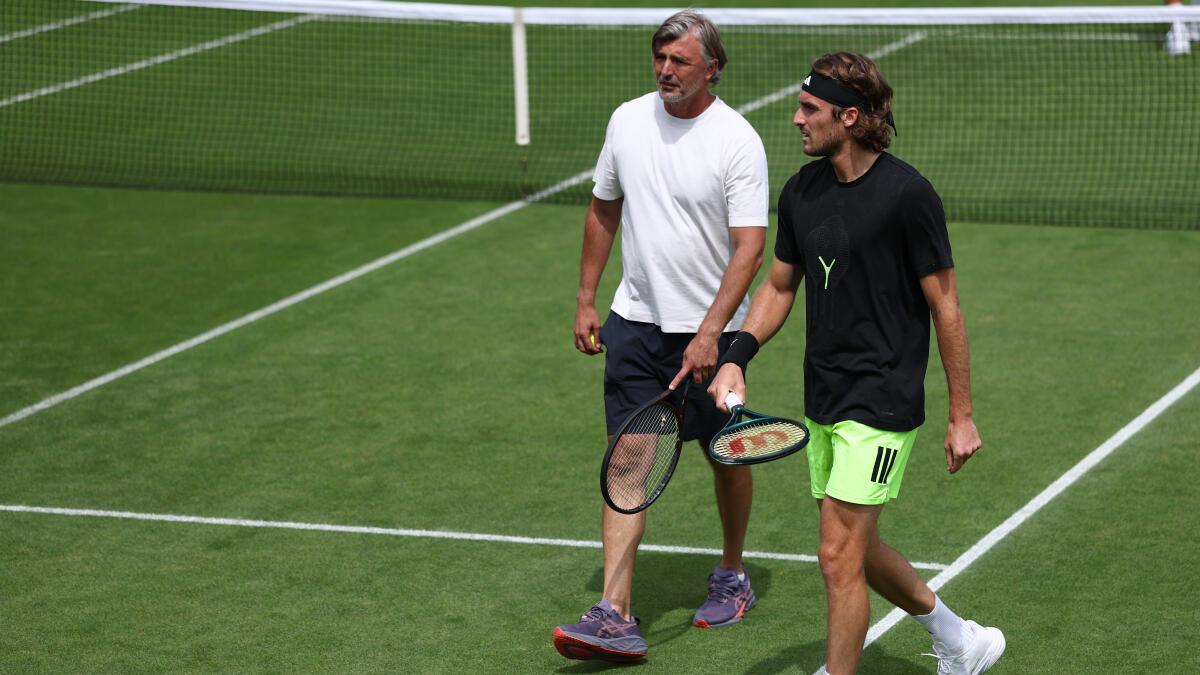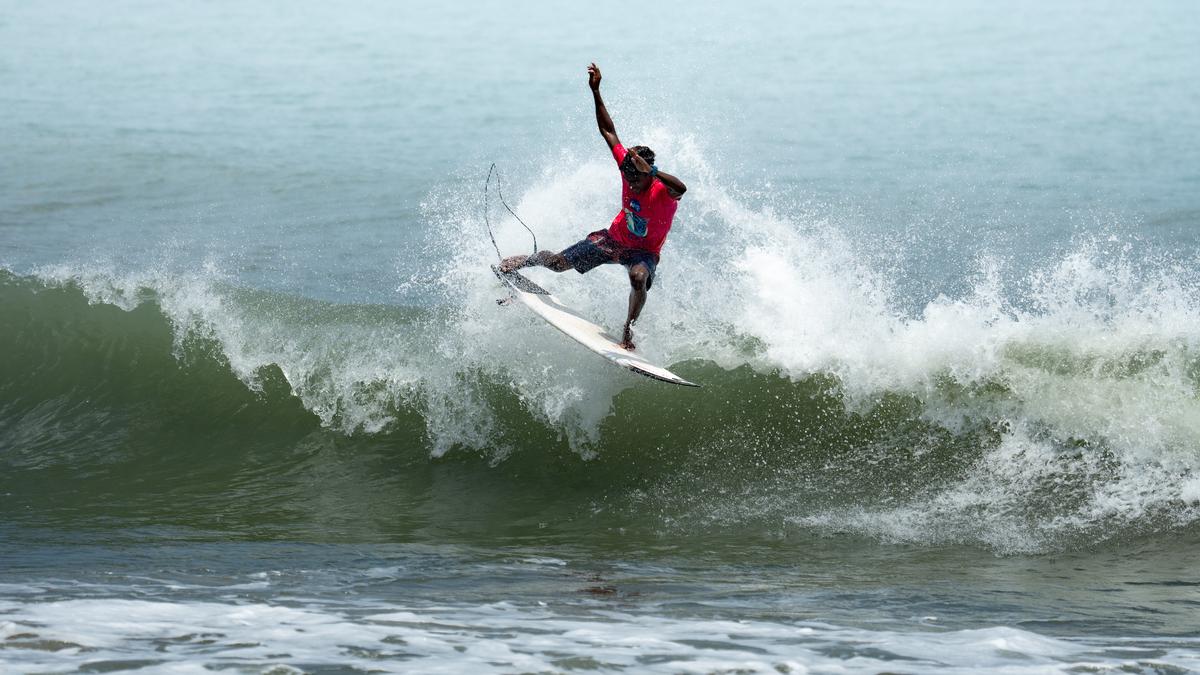
On a quiet stretch of India’s coast, when the light begins to beam across the waters, young surfers wait beyond the break. They sit through long lulls, miss a few waves, fall more than once, until finally, they find their footing and ride one all the way in.
It’s a familiar rhythm – paddle, wait, fall, try again. For the Surfing Federation of India (SFI), the path has felt much the same: a long, uncertain effort to establish itself in a sport still emerging across the country’s coasts.
For years, SFI operated in choppy waters, conducting scattered competitions, issuing certifications and nurturing small pockets of surf communities along both coasts. But, without formal recognition from the Sports Authority of India (SAI), it lacked the legitimacy and institutional support it needed to scale.
The bureaucratic hurdle stood in the way of greater potential, but never hindered the surfing fraternity from carrying out their mission. It would take nearly a decade – and a pandemic – for momentum to shift.
And when it did, the tide truly turned. In August 2024, India made surfing history by winning silver in a team event at the Asian Surfing Championships held in the Maldives. This achievement came only a day after it had secured its first-ever quota in surfing for the Asian Games 2026 in Japan.
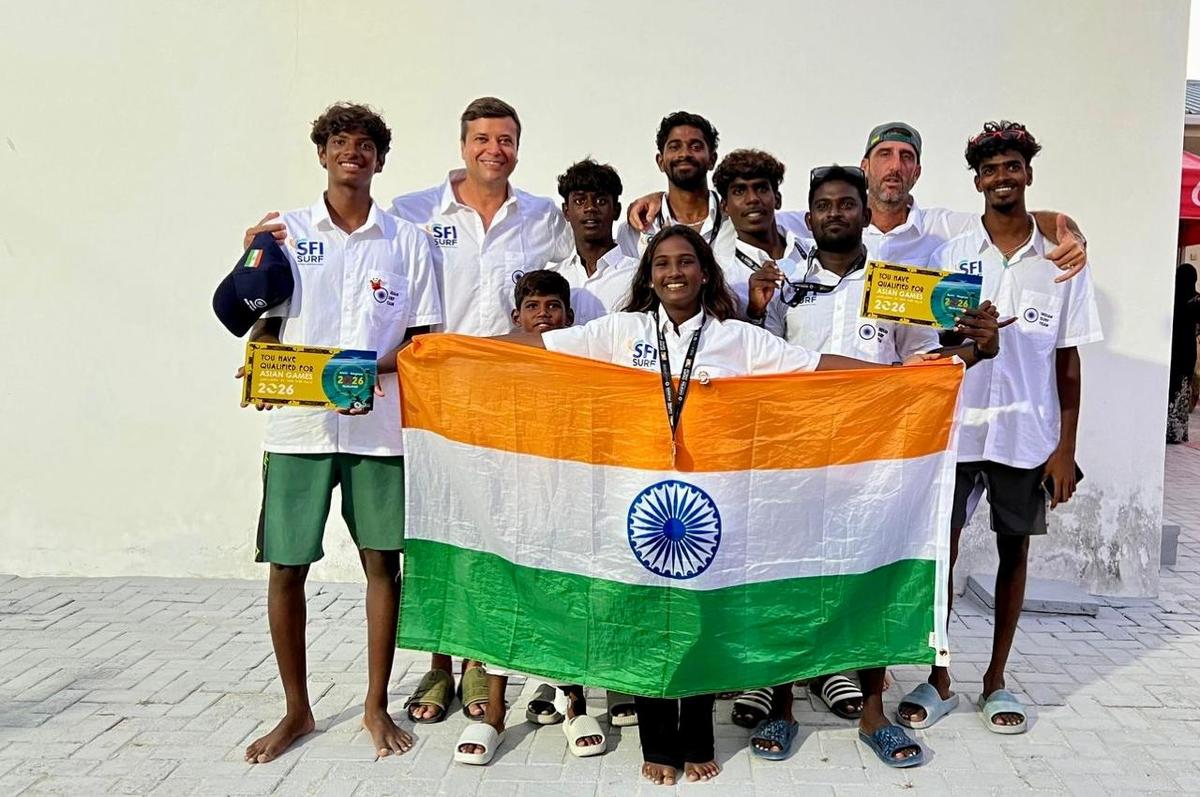
India made surfing history by winning silver in a team event at the Asian Surfing Championships held in the Maldives in 2024.
| Photo Credit:
SPECIAL ARRANGEMENT

India made surfing history by winning silver in a team event at the Asian Surfing Championships held in the Maldives in 2024.
| Photo Credit:
SPECIAL ARRANGEMENT
With two quotas in the bag, India will have one final opportunity to grab two more when it hosts the latest edition of the Asian Surfing Championships in Mahabalipuram at a powerful right-hand point break, Mini Snapper Rocks, in August 2025.
These landmark moments mark how far Indian surfing had come before rankings, events, or even surf schools — all from its humble beginnings.
From pixels to global swells
Long before policy documents and structured events, India’s surfing story lived quietly in sea breezes and picture-perfect shots. Much of the world’s first glimpse of the country’s scene came not from competitions or headlines, but from a modest blog run by a passionate surfer, Rammohan Paranjape.
In the early 2000s, before India had formal surf schools or national rankings, Ram began documenting local breaks, beach life and early surf communities on his blog, surfingindia.net. “I was the only surfing photographer, the first in the country,” he recalled.
“For more than 10 years, starting from 2005, I did a lot of expeditions all over the world. We went around India mapping, finding new spots, photographing and publishing stories for the world to see,” said Ram.
“A lot of my pictures back in the days – and this was even before social media – were published on my blog. A lot of other surfing communities across the world would find my pictures, the stories, and realise that you could surf in India.”
What started as a personal passion project became a digital window into India’s waves, catching the attention of surfers across the globe. The photos captured the magic of the ocean, all taken by a sea-loving college dropout, who found his calling along Mangalore’s coastline.
Ram was a student of Surfing Swami, Jack Hebner, a pioneer who brought surfing to India from Jacksonville Beach, Florida. “He introduced surfing to us and developed a proper community. He was a legendary surfer, the guiding force for Mantra and the West Coast,” said Ram.
India’s first surf school, Mantra Surf Club, opened in 2004 on the west coast in Mulki, near Mangalore. There were some surfers in Pondicherry and Kerala at the time, too – “They were mostly individuals who received a surfboard from a tourist,” said Ram.
It began as a recreational and teaching avenue, but they caught an ambitious wave a few years later. In 2011, following a stray suggestion from a friend, Ram and former president Kishore Kumar established an organisation for surfing, SFI.
“We hosted the first national series in 2013. We would host a few events, a lot of certification and development programmes – this was it for almost seven to eight years,” said Ram.
Paddling against the current
Progress was slow, but the surf community continued to grow steadily. More clubs were formed, and more local competitions were held. But it was during COVID-19, when the world came to a standstill, that surfing had its big break.
“The pandemic changed things for us,” said Ram. “Our (current) president, Arun Vasu, was very active on the East Coast. He had a clear vision about what we had to do for the next few years, how to take it forward.”
A significant moment came when surfing was added to the Olympic roster, making its debut at the Tokyo Games in 2021. With a spike in interest and participation, the federation ramped up efforts, hosting more events and training athletes.
But the imminent need was to get the backing of the government – a decade-long struggle since the federation’s inception – to unlock access to resources, funding and much more. “It was difficult for us to the extent where we almost gave up a couple of times. Unlike most sports, surfing can only take place where the ocean is and where surf breaks are available,” said Nawaz Jabbar, a surfing enthusiast who soon became SFI’s tournament director.
“The number of state bodies was limited. So, some of the guidelines to get recognition were practically impossible,” he said, adding that there was tough competition with other up-and-coming sports. “There was a halt in the process for the last four years, which made it even harder. We were on the back foot, practically and procedurally.”
Though the going got tough for SFI, their surfers persisted in the challenging waves. With private funding and support from family and friends, they managed to send a few homegrown talents to international competitions. Among them was Kamali, the teenage surfing prodigy, who was part of the team that made surfing history.
“It was the first time I competed outside. I saw the tough competition, but I still wanted to get there and perform,” said Kamali, who has quickly become the star of India’s surfing scene. “To do so well in our first international competition, it built our confidence to progress more.”
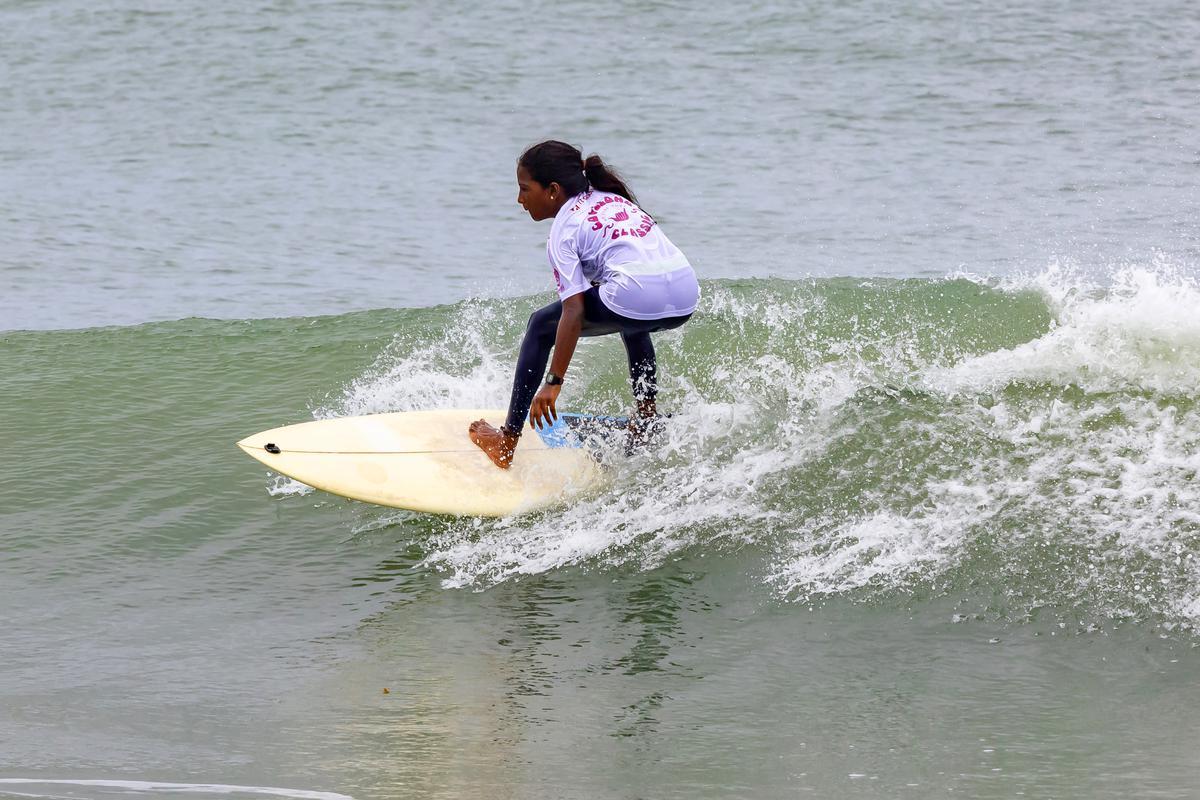
Kamali, the teenage surfing prodigy, was part of the Indian team that won silver at the Asian Surfing Championships.
| Photo Credit:
SPECIAL ARRANGEMENT
Kamali, the teenage surfing prodigy, was part of the Indian team that won silver at the Asian Surfing Championships.
| Photo Credit:
SPECIAL ARRANGEMENT
Also in the Indian team was 24-year-old Ajeesh Ali, whose surfing days began when SFI was still finding its footing. “In 2019, they sent me to Sri Lanka for the World Surfing League Qualifier. It was a difficult process with more than six years of seeking approval.”
But, in helping India qualify for the prestigious event, it was the realisation of a dream. Not just for Ajeesh, but the entire community. With a major event coming to their shores, they are gearing up for a dual responsibility of preparing the team and hosting the championship.
A 12-member team is confirmed for the upcoming season, and each surfer is bracing for their biggest challenge yet. The event will be the final qualifier for the Asian Games and will see participation from more than 20 countries, with hopeful eyes on the Indian unit.
The idea of being able to compete in the Asian Games itself was once unbelievable for this small, tight-knit group. But it made them realise that they finally caught the perfect wave – “First step is Asian Games, next step maybe the Olympics.”